
Table of Contents
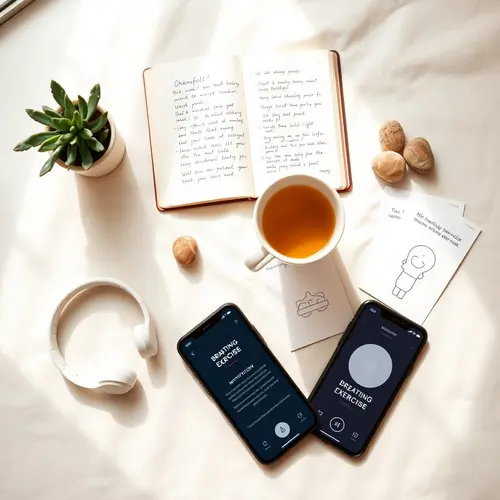
A mental health starter kit serves as your foundational collection of evidence-based resources, strategies, and tools designed to support emotional well-being from day one. Whether you’re proactively managing stress or addressing specific challenges, building this personalized toolkit empowers you with immediate, accessible support mechanisms backed by clinical research.
The concept isn’t about achieving perfection. It’s about establishing sustainable practices that fit your lifestyle and respond to your unique needs.
Why You Need a Mental Health Starter Kit
According to the National Institute of Mental Health, nearly one in five adults experiences mental illness each year. Yet most people wait years before seeking support, often due to accessibility barriers or uncertainty about where to begin.
Your starter kit bridges that gap. It provides low-barrier entry points for self-directed care while complementing professional treatment when needed. Think of it as your first-aid kit for emotional wellness—practical, portable, and ready when you need it most.
The Core Components of an Effective Mental Health Starter Kit
Building your toolkit requires understanding which elements deliver measurable impact. Research from the American Psychological Association identifies several evidence-based modalities that form the foundation of effective self-care practices.
Essential Tools and Resources
Your mental health starter kit should include both tangible resources and established practices. Here’s what clinical evidence supports:
- Therapeutic journaling materials: Structured prompts facilitate cognitive processing and emotional regulation. Studies show expressive writing reduces intrusive thoughts and improves mood regulation over time.
- Mindfulness and breathing protocols: Box breathing, progressive muscle relaxation, and guided imagery scripts provide immediate nervous system regulation. The Substance Abuse and Mental Health Services Administration recognizes these as trauma-informed grounding techniques.
- Crisis resource contacts: Store the 988 Suicide and Crisis Lifeline, local emergency services, and trusted support persons. Accessibility during acute distress matters.
- Self-assessment tools: Standardized screening instruments like the PHQ-9 for depression or GAD-7 for anxiety help track symptoms objectively. Many are freely available through mental health organizations.
- Educational materials: Psychoeducation about your specific concerns reduces stigma and builds health literacy. Understanding the neurobiology of anxiety or the cognitive model of depression enhances treatment engagement.
- Physical wellness integration: Sleep hygiene protocols, movement routines, and nutrition guidelines support the bidirectional relationship between physical and mental health.
- Digital resources: Evidence-based apps for CBT exercises, mood tracking, or meditation provide structured support. Look for those developed with clinical oversight.
Comparing Mental Health Resource Types
| Resource Type | Accessibility | Cost | Evidence Base | Best For |
|---|---|---|---|---|
| Self-help workbooks | High | Low ($15-30) | Strong (CBT-based) | Structured skill-building |
| Mental health apps | Very High | Free to $15/month | Variable | Daily tracking and reminders |
| Crisis hotlines | Very High | Free | Strong | Immediate support needs |
| Support groups | Moderate | Free to Low | Moderate | Peer connection and shared experience |
| Professional therapy | Moderate | High ($100-200/session) | Very Strong | Clinical diagnosis and treatment |
Building Your Personalized Mental Health Starter Kit
Customization matters more than comprehensiveness. A kit you actually use beats an elaborate collection gathering dust.
Start with your primary stressors. Someone managing work-related anxiety needs different tools than someone processing grief. Identify your top two emotional challenges, then select resources targeting those specific patterns.
Test and refine. What works for one person fails for another. Try each technique for at least two weeks before evaluating effectiveness. Track your usage and outcomes in a simple log.
Implementation Strategy That Actually Works
Here’s where most people stumble: they assemble resources but never integrate them into daily life. Your mental health starter kit needs an activation plan.
- Schedule specific times for practices rather than waiting for motivation
- Pair new habits with existing routines (journaling with morning coffee, breathing exercises before bed)
- Keep physical items visible and accessible—not hidden in a drawer
- Set reminder systems for digital resources to counter avoidance patterns
- Identify your warning signs early and match them to specific kit components
Debunking the “Only for Emergencies” Myth
Many people treat mental health resources like fire extinguishers—only useful during crisis. This reactive approach misses the point entirely.
Preventive maintenance proves far more effective than crisis intervention. Using your mental health starter kit during stable periods builds skills, strengthens neural pathways, and creates automatic responses that activate when you need them most. The World Health Organization emphasizes this proactive approach in their mental health action plans.
Your brain learns emotional regulation through repeated practice, not sudden application during high stress. Regular engagement with your toolkit transforms abstract concepts into embodied competencies.
Expert Insight: The Sustainability Question
After working with hundreds of individuals building mental wellness practices, one pattern emerges consistently: simplicity wins over complexity. People abandon elaborate systems within weeks.
The most sustainable mental health starter kit contains three to five core practices you can execute even on difficult days. When depression drains motivation or anxiety overwhelms executive function, you need tools requiring minimal cognitive load.
Focus on what behavioral scientists call “tiny habits”—actions so small they feel effortless. A two-minute breathing exercise beats an hour-long meditation you never do. Five sentences in a journal outperforms elaborate entries you avoid starting.
When to Expand Beyond Your Starter Kit
Your initial toolkit serves as entry-level support, not comprehensive treatment. Recognize these signs indicating need for professional intervention:
- Symptoms persist despite consistent use of self-care strategies
- Daily functioning becomes significantly impaired (work, relationships, self-care)
- You experience thoughts of self-harm or suicide
- Substance use increases as a coping mechanism
- Physical symptoms develop (dramatic weight changes, insomnia, chronic pain)
Your starter kit complements professional care rather than replacing it. Many people benefit from both simultaneously—therapy provides expert guidance while personal tools maintain progress between sessions.
Measuring What Matters
Track outcomes, not just activities. Using your mental health starter kit means nothing if symptoms don’t improve or functioning doesn’t increase.
Establish baseline measurements using validated screening tools. Reassess monthly. Look for trends rather than daily fluctuations—mental health improves gradually, not linearly.
Document which specific techniques correlate with better days. This data-driven approach helps you refine your toolkit based on personal evidence rather than assumptions.
Building and maintaining your mental health starter kit represents an ongoing investment in your emotional resilience. Start small, stay consistent, and adjust based on what your direct experience teaches you. The most powerful tool in your kit isn’t any single resource—it’s your commitment to showing up for your own well-being, one manageable step at a time.

Gatot Kaca is a senior education writer at Prepper Stories covering teaching strategies, classroom management, and EdTech. 6+ years, 160+ guides. Method: pedagogy meta-analysis and education standards. Author of 1,315 education guides since 2022.



More Stories
7 Proven Steps How to Launch a Successful mental health business
VPS Hosting Guide for First-Time Server Owners
7 Mental Health Awareness Tips That Actually Work