
Table of Contents
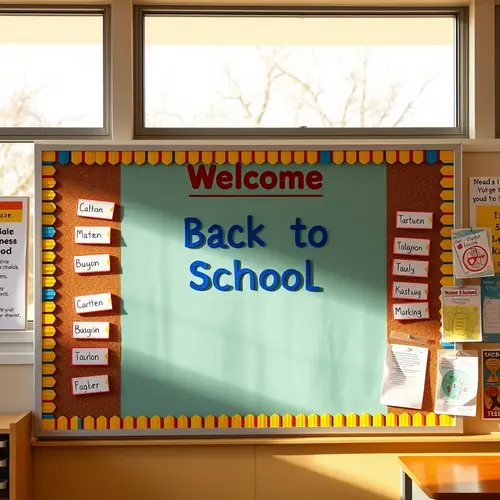
Creating an effective back to school bulletin board sets the tone for your entire classroom environment. Whether you’re a first-year teacher or a veteran educator, the right display transforms a blank wall into an engaging learning tool that welcomes students, communicates expectations, and builds community from day one.
The strategic design of classroom displays has documented impact on student engagement. According to research published by the National Education Association, well-designed visual environments contribute to improved classroom behavior and academic focus. Your bulletin board serves multiple functions beyond decoration—it establishes routines, celebrates diversity, and creates a sense of belonging.
Core Elements of an Effective Back to School Bulletin Board
Every successful classroom display requires intentional planning. Start by identifying your primary objective: Will this board introduce classroom rules, showcase student work, or serve as an interactive learning station?
Professional educators understand that effective displays balance three critical components. Visual appeal attracts attention, functional design serves educational purposes, and interactive elements encourage student participation. The most impactful boards incorporate all three dimensions.
Back to School Bulletin Board – Materials and Construction Fundamentals
Select durable backing materials that withstand an entire academic year. Fabric backgrounds resist fading better than paper and create professional-looking displays. Fadeless bulletin board paper remains the industry standard for educators on tight budgets.
Border selection matters more than most teachers realize. Coordinated borders frame your content and guide the eye toward key messages. Avoid overly busy patterns that compete with your central display elements.
| Material Type | Durability | Cost | Best Use Case |
|---|---|---|---|
| Fabric Background | Excellent (Full Year) | $15-30 | Permanent displays |
| Fadeless Paper | Good (6-8 months) | $8-15 | Seasonal changes |
| Cork Surface | Excellent (Multi-year) | $25-50 | Interactive boards |
| Foam Board | Moderate (3-4 months) | $5-10 | Temporary displays |
Seven High-Impact Design Strategies
Strategy 1: The Welcome Wall Approach
Feature each student’s name with personalized elements. Include space for students to add their own decorations or achievements during the first week. This collaborative back to school bulletin board concept builds ownership and reduces first-day anxiety.
Display prompts like “My summer highlight” or “One thing I’m excited to learn” create immediate engagement. Students see themselves represented before they even meet you.
Strategy 2: Rules and Procedures Display
Transform classroom expectations into visual anchors. Rather than listing rules in plain text, create illustrated reminders that non-readers can understand. Pictographic representations work especially well for elementary settings.
The key lies in positive framing. Replace “Don’t run” with “Walk safely” alongside corresponding images. This subtle shift reinforces desired behaviors without emphasizing restrictions.
Strategy 3: Goal-Setting Station
Dedicate your back to school bulletin board to student aspirations. Provide templates where learners record academic and personal goals for the term. Update monthly to track progress and celebrate milestones.
According to educational psychology research from Stanford University, visible goal displays increase student motivation and achievement. The public commitment creates accountability while fostering a growth mindset culture.
Strategy 4: Interactive Calendar System
Design a functional calendar highlighting important dates, birthdays, and learning milestones. Add pockets for daily job assignments or special announcements. This practical approach transforms your back to school bulletin board into a daily reference tool.
Strategy 5: Subject-Specific Preview Board
Give students a roadmap of upcoming units and concepts. Science teachers might showcase the scientific method with experiment photos. Math educators can display problem-solving strategies with visual examples.
This preview reduces anxiety about unknown content while building anticipation for engaging lessons ahead.
Strategy 6: Community Connection Display
Highlight school values, mascot information, and community events. Include sections for student council announcements or extracurricular opportunities. This connects individual classrooms to the broader school culture.
Strategy 7: Growth Mindset Reminder
Feature inspirational quotes from diverse leaders, scientists, artists, and athletes. Pair each quote with brief context about the speaker’s journey. Rotate quotes monthly to maintain freshness and relevance.
Implementation Back to School Bulletin Board
Assemble your back to school bulletin board at least one week before students arrive. This timeline allows for adjustments and eliminates last-minute stress. Take photos of completed displays for future reference and professional portfolio documentation.
Consider accessibility from multiple angles. Ensure lettering remains readable from the back row. Place interactive elements at appropriate heights for your age group. Students in wheelchairs should access all components without assistance.
Common Mistakes to Avoid
- Overcrowding the space with excessive text or competing visual elements
- Using fonts smaller than 2 inches for primary headings
- Selecting color combinations with insufficient contrast (yellow on white, light blue on gray)
- Creating static displays that never change throughout the year
- Placing critical information above eye level or in classroom corners
- Forgetting to staple or pin all edges, leading to sagging materials
Back to School Bulletin Board: The Refresh Strategy
Professional educators recognize that bulletin boards lose impact when they remain unchanged for extended periods. Plan quarterly updates that maintain your core theme while introducing fresh elements.
One effective approach involves maintaining 70% permanent content with 30% rotating sections. The stable foundation provides consistency while regular updates sustain student interest. This balanced method reduces workload compared to complete overhauls.
A common misconception suggests elaborate displays require excessive time investment. In reality, simple designs with strong visual hierarchy outperform cluttered boards every time. Quality trumps quantity in classroom environmental design.
Making Your Display Work Harder
Transform passive viewing into active learning by incorporating QR codes linking to digital resources. Elementary students can scan codes for read-aloud stories. Secondary classrooms might connect to video tutorials or practice exercises.
Create accountability by assigning student curators who maintain and update specific sections. This delegation teaches responsibility while reducing teacher workload. Rotate assignments monthly to provide equal opportunities.
Final Considerations
Your back to school bulletin board represents more than decoration—it communicates your teaching philosophy and classroom priorities. Thoughtful design demonstrates preparation, professionalism, and genuine care for student experience. Students notice these details, even when they don’t articulate their observations.
Remember that perfection isn’t the goal. Authentic, purposeful displays created with student needs in mind always outperform Pinterest-perfect designs lacking educational substance. Focus on function, accessibility, and genuine welcome. The best back to school bulletin board concepts reflect your unique teaching style while meeting diverse learner needs in your specific classroom context.


More Stories
10 Powerful board decoration ideas for school that inspire
Back to School Makeover: Ultimate 7-Step Guide
7 Essential Health Tips for School Students Every Parent Should Know