
Table of Contents
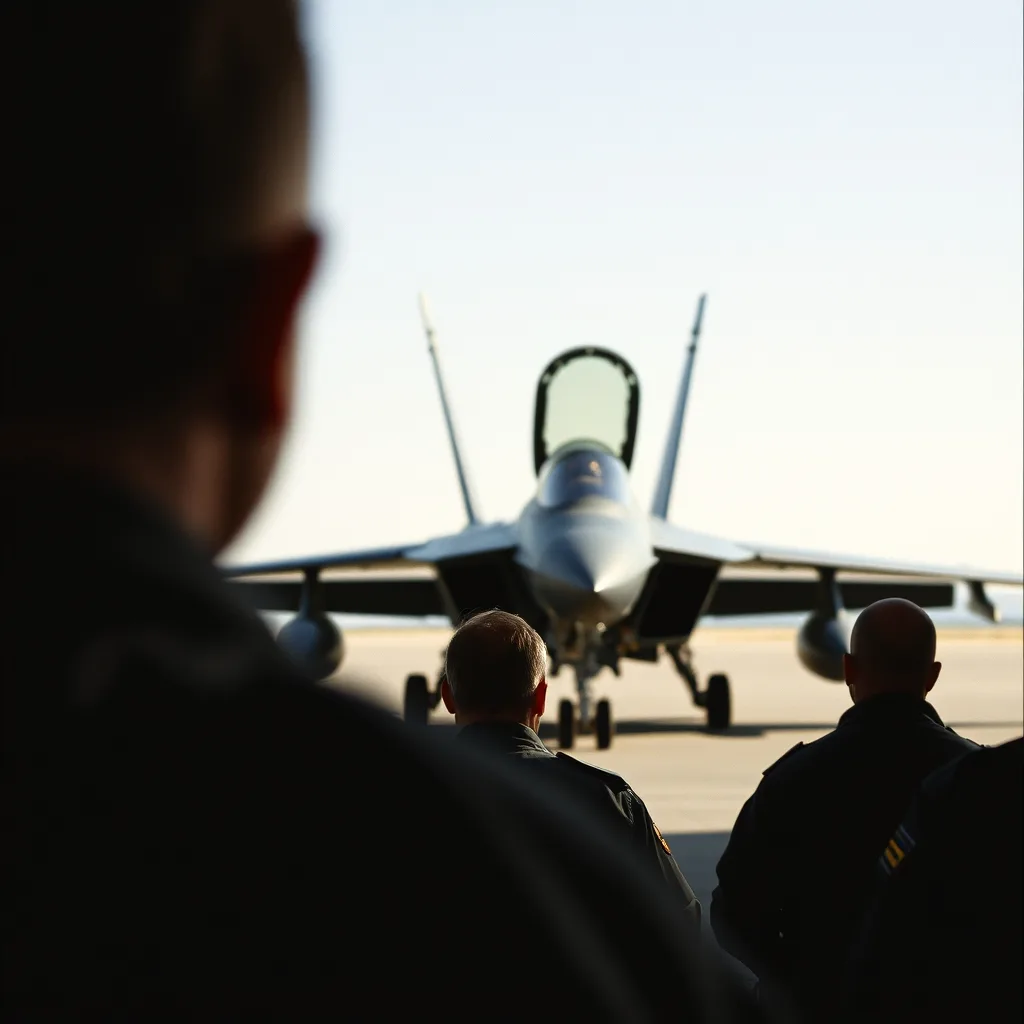
Is Top Gun realistic? Partly: the dogfight geometry, G-force pressure, and carrier routines are grounded in real aviation, while the timeline and some maneuvers are compressed for film. The first Top Gun borrowed heavily from fighter weapons school culture, then added a Hollywood story that pilots recognize even when they laugh at the details.
This guide separates the flying that holds up from the moments that exist for the camera, using public aviation sources and the accounts of pilots who have watched the film with a critical eye.
Is Top Gun Realistic? What Holds Up

The classroom rivalry, the briefing room culture, and the emphasis on close-range maneuvering all reflect real fighter training. Pilots do study energy management, turn rate, and weapons envelopes, and they do debrief each flight in detail.
The film also captures the physical cost of high-G flight. Breathing techniques, G-suits, and neck strain are not decoration. A sustained turn can push a pilot toward grayout, and the training to resist it is part of the job.
The Flying That Is Compressed for Film
Real engagements happen at longer ranges than the movie suggests. Modern fighters often detect and engage beyond visual range, so the dramatic merge is a choice rather than the default. That does not make the scenes fake; it makes them selective.
The timeline is also compressed. Training that takes months appears in a montage, and maintenance, planning, and intelligence work are reduced to a few background shots. The result is a story about a pilot, not a documentary about a squadron.
G-Force and the Human Limit
G-force is one of the most accurate threats in the film. A pilot can tolerate high G for a short period with the right technique, but sustained exposure narrows vision and eventually causes loss of consciousness. The cockpit scenes show the strain because the strain is real.
What the film cannot show is the recovery time. Pilots do not bounce back instantly after a demanding sortie. Fatigue, neck pain, and the need for careful debriefs are part of the routine.
Carrier Operations and the Details
Carrier launches and recoveries are tightly choreographed. The film gets the visual scale right: the deck crew, the catapult, and the narrow margin for error all feel credible. It simplifies the checklist and the weather decisions that govern real operations.
The social side is also simplified. Fighter communities are competitive, but they depend on standardized procedures and mutual trust. A pilot who ignores the brief is a hazard, not a hero.
What Pilots Say About the First Film
Many pilots enjoy the first film because it respects the texture of the job even when the plot takes shortcuts. The jargon, the ego, and the bar scenes feel familiar. The biggest complaints tend to be technical: missile behavior, radio calls, and the ease of switching roles in the air.
That mix of admiration and correction is a useful way to watch. Ask which details serve the story and which details teach the audience something true about flight.
How to Watch It Like an Aviation Student
Pause on the briefing scenes and identify the objective. Then compare the cockpit shots with the exterior shots. Notice how often the film cuts away at the moment a real procedure would become complex.
Read a basic aerodynamics chapter before you rewatch. Terms like angle of attack, stall, and energy bleed become easier to spot, and the aerial scenes turn into a lesson about tradeoffs rather than a magic show.
For a deeper look at the sequel stunts, see our breakdown of Maverick fighter jet stunts and the physics behind them.
How Accurate Are the Aerial Scenes?
The aerial photography remains the film strongest argument. Real aircraft, real sky, and real speed give the scenes a weight that computer-generated imagery often misses. The camera placement puts the audience in the turn, which makes the physics feel immediate even when the choreography is staged.
Look closely at the transitions between cockpit and exterior shots. A real engagement requires constant communication and sensor work, while the film cuts to the next dramatic beat. That editing choice is where the question of whether Top Gun is realistic becomes a matter of degree.
The sound design also shapes perception. Engine noise, radio chatter, and the sudden quiet inside the cockpit are exaggerated for clarity. A viewer who wants the technical version should compare the scenes with accident reports and pilot interviews.
What the Sequel Changed
The sequel pushed practical flying further and gave more screen time to the planning phase. Briefings, target runs, and the cost of a mistake all receive attention. That makes the mission feel like a team problem rather than a solo performance.
Still, the story compresses the training pipeline and simplifies the political chain of command. Those choices are not errors so much as the price of a two-hour film. The question of whether Top Gun is realistic is best answered scene by scene, not with a single verdict.
For classroom use, ask students to separate three layers: the physical limits, the procedures, and the storytelling. That exercise turns a fun rewatch into a lesson about evidence and adaptation.
Is Top Gun realistic about G-force?
Yes, in the broad strokes. Sustained high-G flight narrows vision and can cause loss of consciousness. The film shows the strain, the breathing, and the recovery, even if it compresses the aftereffects.
Is Top Gun realistic about dogfights?
Only partly. Close-range maneuvering still matters in training, but modern fighters often detect and shoot from beyond visual range. The film chooses the merge because it is easier to film and follow.
Is Top Gun realistic about carrier launches?
The scale and choreography are close. The checklist, weather calls, and deck crew coordination are simplified, but the narrow margin for error is portrayed honestly.
Is Top Gun realistic enough for pilots?
Many pilots enjoy the texture and correct the technical details. The cockpit culture feels familiar; the combat timeline and radio calls are where the drama takes over.
The Verdict on Top Gun Realism
Is Top Gun realistic enough to satisfy a pilot? It is realistic in texture and unrealistic in pacing. The cockpit pressure, the competitive culture, and the physical limits are handled with care. The combat geometry and the timeline are shaped for a two-hour story.
That balance is why the film still works. It does not pretend to be a training manual, but it gives viewers a felt sense of what fighter aviation demands. Watch it as a dramatized introduction, then use primary sources to fill in the procedure.
Primary Source for Further Reading
The FAA Pilot Handbook of Aeronautical Knowledge explains aerodynamics, stability, and maneuvering in plain language. It is a practical companion for anyone who wants to test the film against real flight principles.
Top Gun Realism FAQ
Is Top Gun realistic?
Partly. The training culture, G-force strain, and carrier setting are grounded in real aviation. The timeline and some combat geometry are compressed for drama.
Did the first Top Gun use real pilots?
The production worked with military advisers and flew with experienced crews. Many cockpit and aerial sequences were shaped by real procedures, even when the story took shortcuts.
What does Top Gun get wrong about dogfights?
Modern fighters often engage beyond visual range, and real missions involve more planning and support. The film favors close-range action because it is easier to show on screen.




More Stories
Maverick’s Fighter Jet Stunts Push the Boundaries of Physics
Women’s History Month 2022: An Interview with Jennifer Thompson
Truth For Teachers – Essential strategies to engage English Language Learners